Drug cases scoot in the very first 48 hours, and the options made throughout that window echo for months. Phone calls are brief, information is insufficient, and everybody desires assurance that hardly ever exists at the start of a criminal situation. Bond decisions rest at the center of that unpredictability. If you recognize just how judges set bail for medicine fees, just how danger aspects and statutes connect, and just how Bail Bonds operate in real life, you can keep a difficult situation from ending up being a disaster.
What "drug-related" truly indicates for bail
Not all medicine charges look alike, and courts treat them in a different way from the first hearing onward. Personal ownership of a small amount of an abused substance is a different animal than intent to disperse, and both split from conspiracy or trafficking across state lines. Add improvement variables such as firearms, cash, scales, prior convictions, or fees near an institution, and the bail image adjustments quickly.
A couple of patterns tend to hold across territories. Easy property frequently causes release on recognizance or a small bond, specifically for newbie defendants with secure housing and employment. Fees entailing sales or distribution push judges toward protected bond, higher amounts, and sometimes conditions like drug screening, GPS tracking, or no-contact orders. Trafficking, high amounts, or a record of failures to show up can bring about six-figure bonds or pretrial apprehension. Federal drug situations comply with a different track entirely under the Bail Reform Act, where detention hearings and rebuttable anticipations enter play for particular narcotics offenses.
Prosecutors take note of quantity, packaging, and context. A few tablets in a pocket may signify personal use, while multiple baggies, journals, and a scale suggest circulation. If youngsters were present or firearms were recouped, expect higher bail, more stringent conditions, and extra analysis from the court.
How judges in fact consider medication instance bail
In bail hearings I have actually observed and dealt with, judges don't state theory. They make fast judgments based upon two inquiries: Will this person turn up, and will they posture a risk if released? Every reality offered is suggested to persuade those two points. Medicine dependency is not immediately a danger aspect, but affirmed dealing near colleges, repeat sales to minors, or possession with a gun typically tip the scales.
There is a hierarchy of danger signals. Prior failings to show up ranking near the top; a bench warrant for a missed out on court day last year lugs more weight than a clean document over ten years. Ties to the neighborhood issue: long-term work, a repaired address, and household responsibilities calm judicial concerns. Treatment registration can assist, but it needs to be actual, not aspirational. A judge is much more satisfied by a verified intake visit at a particular program than an obscure guarantee to search for rehab.
On the opposite side of the ledger, high-value seizures mean accessibility to sources and networks that make flight easier. Multi-defendant conspiracies suggest sychronisation. If sms message or controlled buys become part of the evidence, prosecutors will certainly suggest that the accused can return to dealing even under supervision. The protection may respond with a plan of conditions: home detention, medicine screening, a third-party custodian, and, in some courts, a protected bond that aligns the offender's rewards with the court's interests.
The function of Bail Bonds in medicine cases
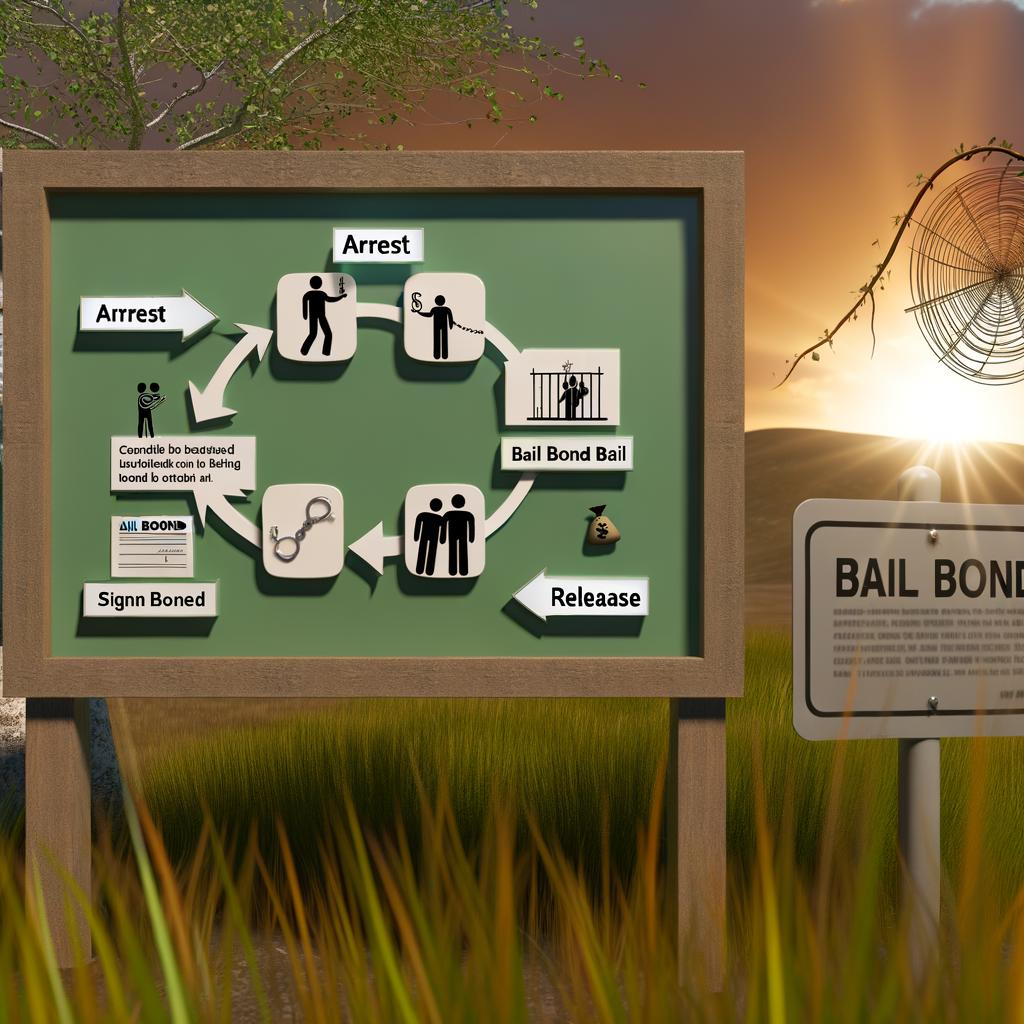
Bail Bonds end up being important when the court establishes a secured bond at a degree a family members can not pay in cash. As opposed to uploading the whole amount, an accused can work with a qualified surety representative. The agent charges a fee, generally 10 percent in many states yet sometimes as reduced as 7 percent or as high as 15 percent depending upon regional legislation and the fee. That charge is not refundable. Sometimes, security is called for to back the bond. Security can be an automobile title, a lien on real estate, or a cash money deposit, normally equal to some part of the bond amount. The surety after that assures to the court that the defendant will appear. If the accused absconds, the court can surrender the bond, and the surety will certainly go after the security and the defendant.
Drug situations tend to generate greater bond amounts than, claim, theft or assault and battery, partially because district attorneys frame them as area injury instances. That suggests more families lean on bail bondsmans and, more often, collateral. I have actually seen $50,000 bonds for mid-level circulation fees with $5,000 costs and an auto title as collateral, and $250,000 bonds for multi-pound trafficking situations where the bail bondsman required both a residential property lien and numerous co-signers.
There is a sensible factor sureties ask concerns that sound snoopy. They are underwriting risk. They would like to know where the accused lives, works, and sleeps, that will certainly address the phone when pretrial solutions calls, and whether anybody in the household will certainly work together if the defendant disappears. Bondsmen who create a great deal of drug bonds usually require check-ins, drug screening, and time limits even when the court does not, since they birth monetary threat if the situation goes sideways.
Collateral, co-signers, and what that means for families
In medication instances, co-signers matter. A trustworthy co-signer with stable income and excellent credit history can decrease the security demand and in some cases the charge. The surety's reasoning is simple. If the co-signer will experience a substantial economic hit if the defendant fails to show up, they will apply pressure to maintain court dates and abide by problems. For a family, this is more than documentation. It can strain connections, especially if substance usage is entailed and trust fund has worn thin.
Think concretely regarding what you can take the chance of. If a bail bondsman records a lien on your home to safeguard a $100,000 bond, a failure to appear could activate repossession process. That is not a plain danger. I have actually enjoyed bail bondsmans file insurance claims on cars, retain cash down payments, and sue co-signers when accuseds ran away. Good agents will walk you through the risk, however you have to ask concerns. What occasions permit forfeiture? How much time is the bond energetic? What if the instance is dismissed? What happens if charges change? Get answers in composing when possible.
Timing: speed assists, yet not at any kind of cost
Many households rush to publish bond within hours of arrest. Sometimes that is smart, especially if the bond amount is workable and the offender has constant housing. In various other instances, a little patience conserves thousands. Early apprehension reports are commonly untidy. If the believed compound still requires lab verification, or if the problem notes a greater quantity than what later on examines assistance, a defense attorney can often work out a lower bond at the accusation or at a timely testimonial hearing. That might imply waiting 24 to 72 hours, which is hard when someone is in custody, yet can reduce a bond quantity in half.
There is additionally the question of problems. Pretrial services should talk to the offender to suggest launch terms. If you publish bond before that interview, the problems might be more generic and a lot more limiting. If you wait, you could safeguard a strategy that includes treatment positioning, general practitioner options, or a sensible medication screening timetable. The most effective path depends upon the jurisdiction's rate, the jail's problems, and the accused's medical needs.
Federal versus state dynamics
State and local courts run most of drug cases, yet federal prosecutions bring different regulations. In federal court, specific narcotics offenses lug a presumption of apprehension. That does not indicate release is difficult, just that the defense has to present concrete evidence to get over the presumption. Third-party custodians, in-depth treatment plans, and residential property bonds prevail devices, but even strong packages can fall short if the alleged conduct involves big quantities or if a compulsory minimum sentence produces an effective reward to flee.
Federal pretrial services applies more impact than in many state systems. They conduct comprehensive background checks, verify work, test for drug use, and display compliance. Violations, even technical ones, can bring about speedy remand. If a situation is government, https://writeablog.net/swaldehanl/just-how-jury-determine-bond-and-bond-amounts understand that timelines extend much longer, supervision is tighter, and the margin for mistake is slimmer.
Conditions of release that show up in drug cases
Courts choose conditions that reduce threat without triggering pretrial apprehension. For drug-related charges, I usually see the following.
Curfew or home apprehension, validated through digital tracking. This guarantees the court that the accused will certainly be easy to locate and limits possibilities to engage in sales. It is not pleasurable. General practitioner ankle joint arm bands can be invasive, and home detention limits work and childcare adaptability. Juries react well to a clear work routine and a composed prepare for just how the offender will satisfy responsibilities around curfew.
Random medicine screening and therapy. Testing can be regular at the start, after that taper as conformity develops. False positives take place, specifically with certain over-the-counter medications, so paper prescriptions and avoid poppy seed foods that can skew certain panels. Courts respond to documents. If there is a legit medical reason for a favorable outcome, have documents ready.
No-contact orders with co-defendants or specific individuals. This problem aims to reduce ongoing conspiracy theory or obstruction. It also complicates life when co-defendants are relative or share real estate. Juries often enable restricted call via advice or carve-outs for common child care if both sides propose clear boundaries.
Employment or education and learning needs. A court wants structure. A verifiable job, enrollment in classes, or recorded task search activities can tip borderline situations right into release.
Cash-secured or property-secured bonds. For some situations, a court desires "skin in the game." A home bond, where a home or land secures the bond, brings solid persuasive power when the property is significant and possessed by a dependable 3rd party.
How Bail Bonds interact with pretrial services and conditions
Once a bond is posted and the offender is out, the bond company becomes part of the conformity environment. Excellent agents advise clients of court days, need check-ins, and help collaborate with pretrial services. They have an interest in maintaining their clients compliant. If the offender begins missing out on check-ins or fails a medicine test, a proactive bondsman often intervenes early, commonly promoting a therapy adjustment as opposed to a re-arrest.
That said, a bondsman's power is actual. The agreement usually enables the representative to give up the offender, which indicates voluntarily returning the individual to custodianship, if the representative believes risk has raised. I have seen this made use of after brand-new apprehensions, duplicated missed telephone calls, or credible threats of trip. If a representative intimidates abandonment, interact with advise promptly. In some cases a bargained modification, such as included security or more stringent check-ins, can maintain the circumstance without a surrender.
Reading the bond documentation, line by line
The bail contract is not ritualistic. It contains obligations and triggers that matter. Focus on just how costs, collateral, and abandonment civil liberties appear theoretically. Seek language clarifying what occurs if charges are rejected, decreased, or refiled. If the situation is disregarded, a bond normally exonerates and collateral is released, but any kind of nonrefundable charge stays with the representative. If charges are refiled under a new situation number, you might need a new bond. If a forfeit occurs because of a missed court date, the contract should detail steps to set aside the forfeiture once the accused returns to court. Several regions allow a home window, frequently 90 days, to situate the offender and demand relief.
Payment strategies prevail for charges. Make certain the plan mirrors your actual budget plan. Missed repayments can cause abandonment under many contracts, even when the offender is otherwise compliant. If family members are co-signers, the plan ought to be shown to everyone bearing the danger. It is shocking exactly how frequently relatives uncover the repayment terms just after a misbehavior notice arrives.
When cash bond makes more sense
Posting cash bail straight with the court can be better than making use of a bondsman, specifically for smaller sized quantities. If the court establishes a $2,500 bond on an ownership situation and you can afford it, cash money bond indicates you get the cash back at the end of the case, minus any type of administrative charge or fines the court uses. A 10 percent cost to a bail bondsman is nonrefundable, so paying $250 to the court as a 10 percent deposit bond (where readily available) or uploading the sum total in money can be economically smarter, presuming you can tolerate tying up funds for months.
Cash bail additionally eliminates an exclusive party from the equation. There is no danger of abandonment for nonpayment of a fee, and the court's rules, while rigorous, are a lot more predictable. The compromise is liquidity. Instances can go for nine to twelve months, occasionally much longer. If that cash is your emergency fund, take into consideration the anxiety of locking it up for that long.
Practical instances from the trenches
A new property instance with a small amount of heroin. The court set a $1,500 bond with pretrial tracking and random screening. The family had $600 readily available. As opposed to rush to a bondsman, they waited for the accusation the following early morning, where defense attorney provided evidence of a same-day consumption at a trustworthy outpatient program and letters from a company confirming a work routine. The judge transformed the protected bond to a recognizance release with problems, saving the household the fee and speeding entrance into treatment.
A repeat distribution situation with text messages and regulated buys. The judge established a $75,000 bond with GPS surveillance and no-contact orders. The household attempted 3 bond firms. 2 needed building liens. The 3rd accepted a cosigner with long-lasting employment and a $5,000 cash collateral, plus once a week check-ins. That representative called the offender two times a week and signaled advice when time limit violations began. Advice brought the issue to the court proactively, and the judge tightened curfew without withdrawing bond. The offender remained utilized and made every court date.
A government methamphetamine conspiracy with a ten-year necessary minimum if founded guilty. Pretrial solutions advised detention under the assumption. The defense assembled a package: a third-party custodian, inpatient treatment, home bond from an aunt, and GPS. After 2 hearings, the magistrate court still restrained the offender, mentioning the compulsory minimum and evidence of cross-border calls. The family had pursued a personal surety, but in government court, private Bail Bonds are seldom appropriate since the problem is apprehension versus launch, not cash versus surety. Comprehending that distinction early saved the household a futile search for a bail bondsman in a context where bail bondsmans do not operate the same way.
Substance use, relapse danger, and the court's patience
Judges understand that relapse happens in healing. A single favorable drug examination is not always fatal to release, especially if reported transparently and consulted with a treatment adjustment. Numerous positives, missed visits, or deceit examination a court's readiness to keep a person out. Defense lawyer frequently engage a finished feedback strategy: initial positive triggers increased testing, 2nd favorable adds outpatient sessions, 3rd positive bring about a brief conformity hearing where the judge can alert the accused directly. Having a strategy reveals the court that the family and protection group are not lessening the risk.
On the other side, do not conceal struggles from the bail bondsman or pretrial solutions. Shocks lead to cancellation. Early interaction, together with documented actions like NA or clever Healing attendance, helps structure mistakes as part of a credible recovery initiative as opposed to a go back to criminal conduct.
Costs past the charge: the surge effects
People allocate the bond fee and forget every little thing else. GPS monitoring can set you back $8 to $15 per day. Urine screens can carry lab fees unless the court covers them. Transportation to court and therapy builds up, specifically if the accused's certificate is suspended. Missed out on work for member of the family who drive offenders to consultations has an actual price. When assessing whether to publish a high bond, consider these continuous costs. Occasionally a somewhat reduced bond with tighter problems, or a bargained launch without GPS, is a lot more lasting than a large bond that drains the family's sources in the first month.
Negotiating a better bond outcome
Defense advice can do more than advocate leniency. Juries respond to specifics. A written plan that provides the address where the defendant will certainly live, a verifiable task or work search strategy, treatment intake with days and contact numbers, and a third-party custodian happy to speak under oath develops confidence. Letters from employers or clergy help, yet only when coupled with supervision framework that takes care of danger. If the prosecutor points out prior failings to show up, give context and a fix. For example, if the missed court day took place throughout being homeless, show that real estate is currently steady which pretrial services will certainly send message reminders.

In some regions, prosecutors agree to bond alterations after the very first couple of weeks of clean conformity. If the original bond was set high due to shock at the initial facts, continual conformity can validate a reduction that makes recurring expenses acceptable. Do not presume this will certainly occur automatically. File a motion, attach compliance records, and suggest a reasonable adjustment.
When not to upload bond
There are conditions where waiting makes sense. If an instance rests on field tests that usually produce false positives, and the laboratory stockpile is brief, an affordable hold for a couple of days can cause cost reductions and a reduced or nonsecured bond. If the offender has an out-of-state warrant that will create a hold after release, uploading bond now only lands them in another jail without changing the protection status. Often an inpatient bed opens up in 3 days, and a court will certainly launch directly to that program if the accused remains captive up until then. These decisions depend on the jail's security, the offender's clinical needs, and the attorney's read of the prosecutor's file.
Rights, duties, and staying clear of the common pitfalls
Defendants deserve to a reasonable bail under many state constitutions, subject to limits for serious offenses. They likewise have duties that begin the min a bond is posted. These responsibilities are not simply attending court. They consist of staying in call with counsel, upgrading addresses promptly, abiding by testing and surveillance, and avoiding brand-new apprehensions. Numerous violations occur as a result of silence. Telephone number alter, a letter goes to the wrong address, and a bench warrant issues. That danger is avoidable. Maintain an interaction regimen: regular messages to advice, calendar pointers for court dates, and a main folder for court paperwork and screening results.
Families can avoid pitfalls by setting expectations before release. That controls the phone and the calendar? How will transportation benefit court and therapy? If the offender struggles with substance usage, which family member has the authority to call pretrial services or the bail bondsman at the initial indication of difficulty? Clarity early protects against panic later.
A short, useful list for family members taking into consideration Bond Bonds
- Confirm the specific fees and bond quantity from the prison or court clerk. Do not rely solely on jailing agency rumor. Consult a defense attorney before uploading, even for 15 minutes, to analyze whether a review hearing might decrease the bond or adjust conditions. Shop 2 or 3 qualified bond agents, compare charge, collateral, cosigner requirements, and surrender policies in writing. Prepare a launch plan with address, work verification, and therapy contacts. Share it with the attorney and the bondsman. Set up a compliance routine on the first day: calendar alerts, transportation plan, and a back-up get in touch with who will get the phone if pretrial calls.
The human facts behind the rules
Bail choices in drug situations rest at the junction of public safety and security, specific freedom, and the messy truths of addiction, cash flow, and household characteristics. I have actually satisfied defendants that transformed their lives throughout the long tail of a case, staying sober, working continuously, and fixing charges with probation. I have actually likewise enjoyed people sink under the weight of costs and conditions that were never sensible. The system gives little room for slow, peaceful development. It compensates structured, clear action.
If you are making choices for an enjoyed one, support your decisions in facts you can confirm: the exact charges, the bond terms on paper, the capability of the household to support conditions, and the accessibility of treatment that fits the individual, not a pamphlet. Understand exactly how Bail Bonds line up motivations and where they develop pressure points. Utilize the court's hunger for workable strategies to your advantage. And keep in mind that early sincerity with advise, the court, and the bail bondsman acquires integrity that can conserve freedom when a bad move takes place later.